
Tyler Baley
Field of study: MA, Archaeology
Advisor: Colin Grier
Email: tyler.baley@wsu.edu
I am a digital archaeologist helping others to integrate remote sensing techniques and newer technologies into their workflows in order to encourage the use of less invasive & destructive archaeological practices. I earned my BA in Anthropology from Washington State University and have certifications in GIS and Drone survey. I am currently pursuing an MA in Archaeology w/ Thesis under the guidance of Dr. Colin Grier.
I currently work with Colin Grier on projects that involve indigenous peoples from the pacific northwest out of his lab on the Washington State University Vancouver campus. Much of my work involves sensitive issues that pertain to personal and cultural autonomy, land and material proprietorship, and assisting in the collection of evidence to support the legal remedies necessary to resolve these issues.
I study Power and Inequality; I look at how power structures are formed and then institutionalized at the small and complex societal level. I am keenly interested in how power is both used and misused, and how those factors contribute to material decay and cultural death. I have a background in evolutionary psychology and classical history, which I have integrated into my theoretical approach.
Advisor: Colin Grier
Email: tyler.baley@wsu.edu
I am a digital archaeologist helping others to integrate remote sensing techniques and newer technologies into their workflows in order to encourage the use of less invasive & destructive archaeological practices. I earned my BA in Anthropology from Washington State University and have certifications in GIS and Drone survey. I am currently pursuing an MA in Archaeology w/ Thesis under the guidance of Dr. Colin Grier.
I currently work with Colin Grier on projects that involve indigenous peoples from the pacific northwest out of his lab on the Washington State University Vancouver campus. Much of my work involves sensitive issues that pertain to personal and cultural autonomy, land and material proprietorship, and assisting in the collection of evidence to support the legal remedies necessary to resolve these issues.
I study Power and Inequality; I look at how power structures are formed and then institutionalized at the small and complex societal level. I am keenly interested in how power is both used and misused, and how those factors contribute to material decay and cultural death. I have a background in evolutionary psychology and classical history, which I have integrated into my theoretical approach.

Laura Brumbaugh
Field of study: PhD, Archaeology
Advisor: Andrew Duff
Email: laura.brumbaugh@wsu.edu
I am a PhD student, and my research interests are in the archaeology of the United States Southwest. Specifically, I am interested in studying the factors influencing Ancestral Puebloan community formation during the transition between the Pueblo I and Pueblo II time periods in southwestern Colorado. I have previously engaged in some preliminary research into the impact of Pueblo I trading patterns on Pueblo II great house community formation in the Mesa Verde region. I earned my BS in Biology at Gettysburg College in 2017, and have participated in archaeological projects in northeastern Arizona, Pennsylvania, France, southwestern Colorado, and southeastern Utah.
Advisor: Andrew Duff
Email: laura.brumbaugh@wsu.edu
I am a PhD student, and my research interests are in the archaeology of the United States Southwest. Specifically, I am interested in studying the factors influencing Ancestral Puebloan community formation during the transition between the Pueblo I and Pueblo II time periods in southwestern Colorado. I have previously engaged in some preliminary research into the impact of Pueblo I trading patterns on Pueblo II great house community formation in the Mesa Verde region. I earned my BS in Biology at Gettysburg College in 2017, and have participated in archaeological projects in northeastern Arizona, Pennsylvania, France, southwestern Colorado, and southeastern Utah.

Beatrice Caffe
Field of study: PhD, Evolutionary Anthropology
Advisor: Courtney Meehan
Email: beatrice.caffe@wsu.edu
I am a PhD, candidate whose interests broadly encompass public health, reproductive ecology, immunity, and human milk. My dissertation focuses on parental and allomaternal investment, caregiving environments, human milk composition, and cannabis use during lactation.
Advisor: Courtney Meehan
Email: beatrice.caffe@wsu.edu
I am a PhD, candidate whose interests broadly encompass public health, reproductive ecology, immunity, and human milk. My dissertation focuses on parental and allomaternal investment, caregiving environments, human milk composition, and cannabis use during lactation.

Alexis Crow
Field of study: MA, Archeology
Advisor: Colin Grier
Email: alexis.crow@wsu.edu
I am currently an MA student in Archaeology working with Colin Grier. My research interests include Pacific Northwest households around the Strait of Georgia, British Columbia. Specifically, how differential socio-economic status within Coast Salish households is reflected in the archaeological record over time and what this can tell us about the motivators behind change in social inequality over time.
I earned my BA in Anthropology from Western Washington University in 2019. Since then, I have worked in cultural resource management working for several private firms and the United States Forest Service. This work has allowed me to conduct fieldwork all over Washington, Oregon, and Idaho. Additionally, for the last two years, I have presented at the Northwest Anthropological Conference about population stress and economic organization within Village sites on the Northern Oregon Coast.
Advisor: Colin Grier
Email: alexis.crow@wsu.edu
I am currently an MA student in Archaeology working with Colin Grier. My research interests include Pacific Northwest households around the Strait of Georgia, British Columbia. Specifically, how differential socio-economic status within Coast Salish households is reflected in the archaeological record over time and what this can tell us about the motivators behind change in social inequality over time.
I earned my BA in Anthropology from Western Washington University in 2019. Since then, I have worked in cultural resource management working for several private firms and the United States Forest Service. This work has allowed me to conduct fieldwork all over Washington, Oregon, and Idaho. Additionally, for the last two years, I have presented at the Northwest Anthropological Conference about population stress and economic organization within Village sites on the Northern Oregon Coast.
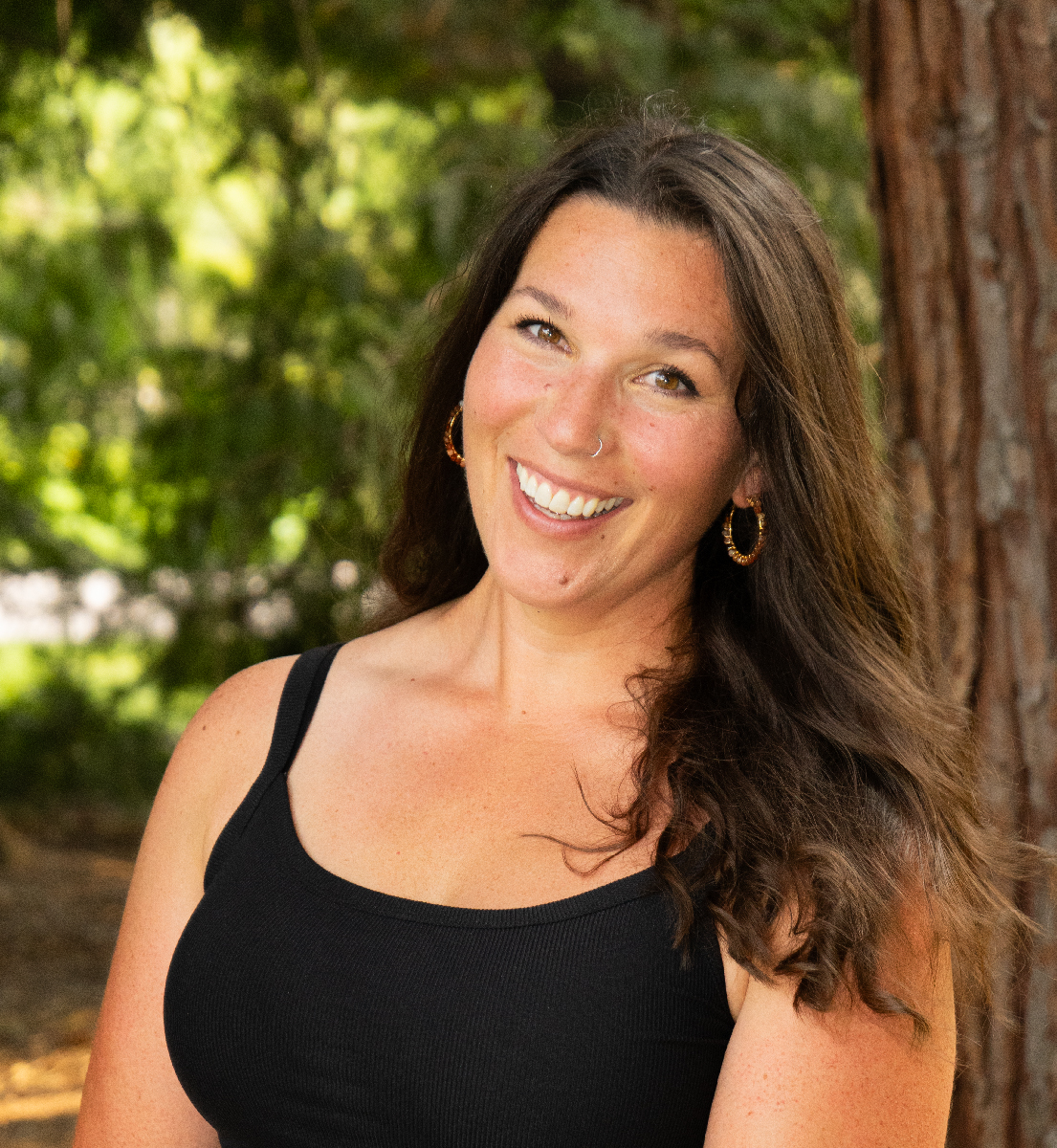
Annie Cunningham
Field of study: PhD, Archeology
Advisor: Emily Van Alst
Email: anna.e.cunningham@wsu.edu
I am a PhD student working under the mentorship of Dr. Emily Van Alst. Prior to joining WSU’s Anthropology and Archaeology cohort, I earned a BFA and MA from Eastern Illinois University, an MFA from Washington State University, and most recently, an MSc from University of Edinburgh.
For more than a decade I have been a professor of Visual Art, Art History, and Visual Culture throughout the United States. My visual art focus began with an interest in ecofeminism, the corpse ecosystem, and art in the Anthropocene. As my work developed through national and international projects and exhibitions, my scholarship began to involve ideational cognitive archaeology through a culmination of material culture, anthropological queries, visual art perspectives, and ultimately an investigation into the relationship people cultivate with the land. It is with an evolution of such inquiries that I returned to higher education as a student to earn an MSc in Ancient Worlds: Archaeology.
Throughout my time studying prehistoric cultures on-site in such locations as Peru and Denmark, my scholarship embodied feminine power, prehistoric tools and technologies, material culture, ecology, and experimental archaeology.
As I progress forward with my PhD at WSU, I will pursue an ontological understanding of local pre-colonial indigenous craftworks and how this in turn shaped the land. With the guidance of Dr. Van Alst and through the partnership with local indigenous communities, my research involves a proactive, experimental archaeological approach towards analyzing each phase of ‘meaning’ and ‘making’ in terms of plant domestication, tool development, craft production, and community development.
Advisor: Emily Van Alst
Email: anna.e.cunningham@wsu.edu
I am a PhD student working under the mentorship of Dr. Emily Van Alst. Prior to joining WSU’s Anthropology and Archaeology cohort, I earned a BFA and MA from Eastern Illinois University, an MFA from Washington State University, and most recently, an MSc from University of Edinburgh.
For more than a decade I have been a professor of Visual Art, Art History, and Visual Culture throughout the United States. My visual art focus began with an interest in ecofeminism, the corpse ecosystem, and art in the Anthropocene. As my work developed through national and international projects and exhibitions, my scholarship began to involve ideational cognitive archaeology through a culmination of material culture, anthropological queries, visual art perspectives, and ultimately an investigation into the relationship people cultivate with the land. It is with an evolution of such inquiries that I returned to higher education as a student to earn an MSc in Ancient Worlds: Archaeology.
Throughout my time studying prehistoric cultures on-site in such locations as Peru and Denmark, my scholarship embodied feminine power, prehistoric tools and technologies, material culture, ecology, and experimental archaeology.
As I progress forward with my PhD at WSU, I will pursue an ontological understanding of local pre-colonial indigenous craftworks and how this in turn shaped the land. With the guidance of Dr. Van Alst and through the partnership with local indigenous communities, my research involves a proactive, experimental archaeological approach towards analyzing each phase of ‘meaning’ and ‘making’ in terms of plant domestication, tool development, craft production, and community development.

Jennifer Cuthbertson
Field of study: PhD, Archeology
Advisor: John Blong
Email: j.cuthbertson@wsu.edu
I am a PhD student in archaeology working with John Blong, with an MA in Anthropology from Boise State University. Primarily, my research interests include the study of paleoenvironments, traditional land use, and how the changes in climate and available resources impact these uses over time.
My Master’s work involved the use of Graphics Information Systems maps and environmental variables–including soil types, elevation, and water availability–to study associations between heavy densities of sites and resources. With my current and future research, I hope to continue the use of botanical analyses and mapping programs to study the ways in which people, particularly throughout the Great Basin, have interacted with their changing environments and resources over time.
Advisor: John Blong
Email: j.cuthbertson@wsu.edu
I am a PhD student in archaeology working with John Blong, with an MA in Anthropology from Boise State University. Primarily, my research interests include the study of paleoenvironments, traditional land use, and how the changes in climate and available resources impact these uses over time.
My Master’s work involved the use of Graphics Information Systems maps and environmental variables–including soil types, elevation, and water availability–to study associations between heavy densities of sites and resources. With my current and future research, I hope to continue the use of botanical analyses and mapping programs to study the ways in which people, particularly throughout the Great Basin, have interacted with their changing environments and resources over time.
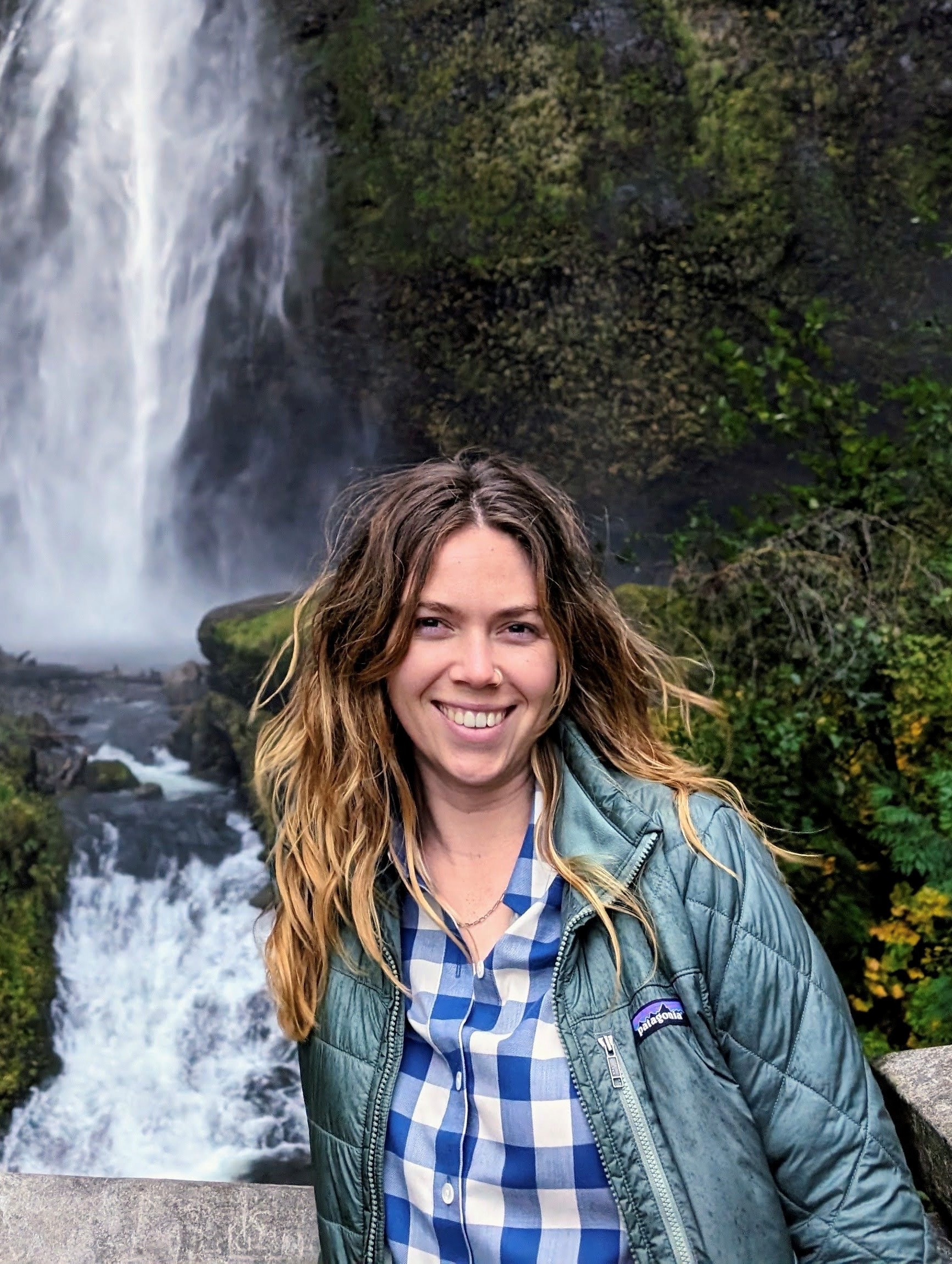
Gigi Dean
Field of study: MA, Archeology
Advisor: Colin Grier
Email: gillian.dean@wsu.edu
Ms. Dean received her BA in Anthropology from San Diego State University in 2019. She has over 9 years of experience in cultural resources management within several sectors including academia, museum studies, private consulting, and at a federal agency. Her areas of expertise include the Pacific Northwest, Intermountain, California, and Great Basin.
Ms. Dean’s research interests include Indigenous archaeology, collaborative archaeology, and shoreline preservation of archeological sites. Her thesis seeks to utilize collaborative relationships with Indigenous Partners to protect shoreline and riverbank archaeological sites from erosion, focusing on Tribally led small-scale environmental restoration projects.
When not studying or working, Gigi enjoys gardening, sailing, paddleboarding, biking, hiking, and camping with her partner, Foster, and dog, Luna.
Advisor: Colin Grier
Email: gillian.dean@wsu.edu
Ms. Dean received her BA in Anthropology from San Diego State University in 2019. She has over 9 years of experience in cultural resources management within several sectors including academia, museum studies, private consulting, and at a federal agency. Her areas of expertise include the Pacific Northwest, Intermountain, California, and Great Basin.
Ms. Dean’s research interests include Indigenous archaeology, collaborative archaeology, and shoreline preservation of archeological sites. Her thesis seeks to utilize collaborative relationships with Indigenous Partners to protect shoreline and riverbank archaeological sites from erosion, focusing on Tribally led small-scale environmental restoration projects.
When not studying or working, Gigi enjoys gardening, sailing, paddleboarding, biking, hiking, and camping with her partner, Foster, and dog, Luna.

Madison Honig
Field of Study: PhD, Evolutionary Anthropology
Advisor: Ed Hagen
Email: madison.honig@wsu.edu
I am a PhD student broadly interested in evolutionary medicine, reproductive ecology, ecotoxicology, and life history theory. I received my BSc in biology and evolutionary anthropology from the University of Toronto in 2020 and MA in evolutionary anthropology at Washington State University in 2022. My dissertation research is focused on how exposure to environmental endocrine disruptors such as perfluoroalkyl substances (PFAS), through household water consumption, shapes the timing of life history events such as puberty.
I work with the Utila Child Health Project (UCHP), a long-term collaborative research project between Boston University and Washington State University looking the relationship between cultural, environmental, and biological factors impacting the growth, development and health among children living in Utila, Honduras.
Areas of concentration: Reproductive Ecology, Life History Theory, Child Health, Ecotoxicology, Water Quality, Caribbean/Latin America
Advisor: Ed Hagen
Email: madison.honig@wsu.edu
I am a PhD student broadly interested in evolutionary medicine, reproductive ecology, ecotoxicology, and life history theory. I received my BSc in biology and evolutionary anthropology from the University of Toronto in 2020 and MA in evolutionary anthropology at Washington State University in 2022. My dissertation research is focused on how exposure to environmental endocrine disruptors such as perfluoroalkyl substances (PFAS), through household water consumption, shapes the timing of life history events such as puberty.
I work with the Utila Child Health Project (UCHP), a long-term collaborative research project between Boston University and Washington State University looking the relationship between cultural, environmental, and biological factors impacting the growth, development and health among children living in Utila, Honduras.
Areas of concentration: Reproductive Ecology, Life History Theory, Child Health, Ecotoxicology, Water Quality, Caribbean/Latin America
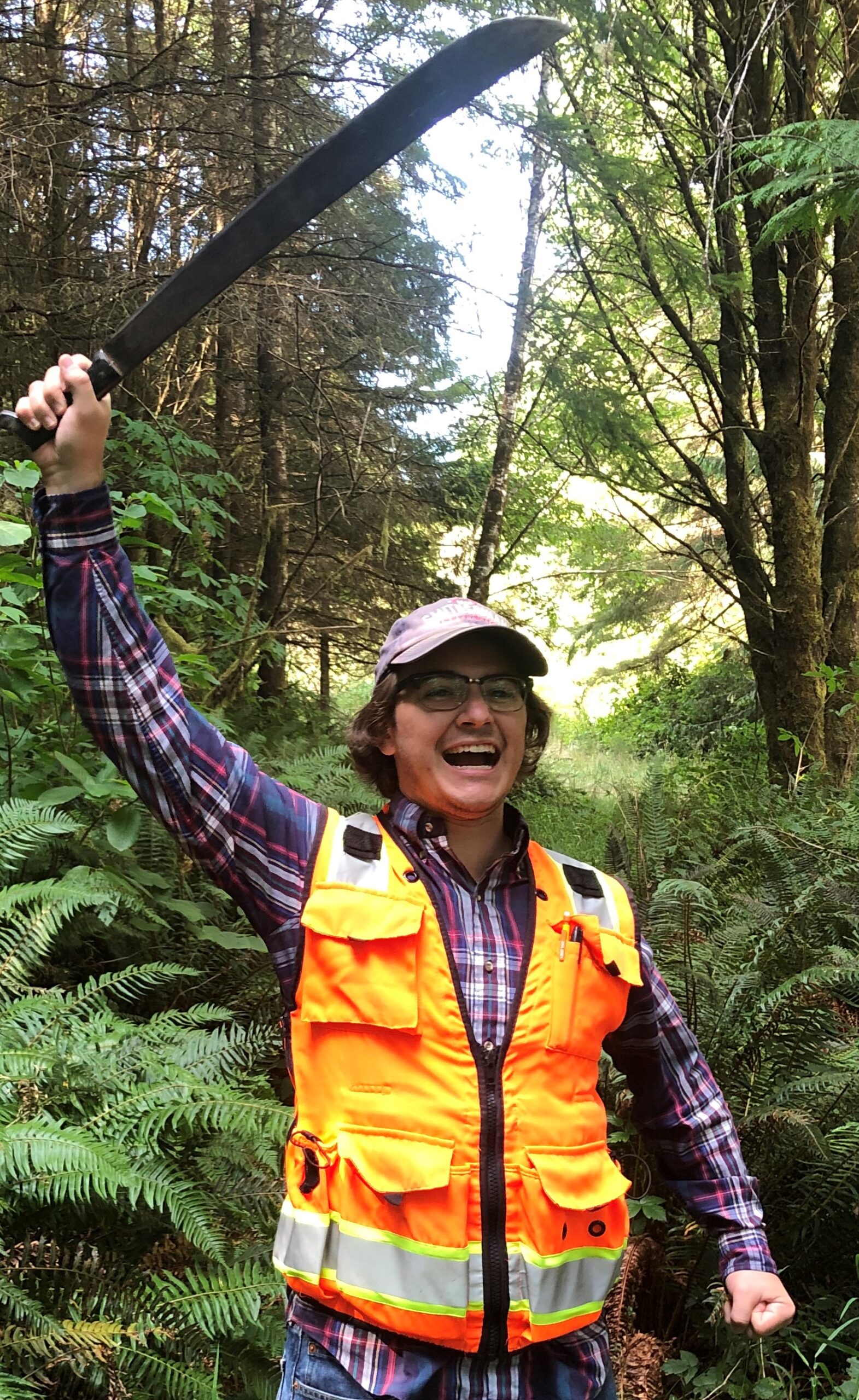
Haden Kingrey
Field of study: PhD, Archaeology
Advisor: John Blong
Email: haden.kingrey@wsu.edu
I am a PhD student working with John Blong in the Environmental Archaeology Research Lab. Before attending WSU, I received my bachelor’s degree in anthropology and history from the University of Oregon in 2019, and I received my master’s degree in anthropology from the University of Nevada, Reno in 2022. For my dissertation, I am utilizing various residue analyses of stone tools and coprolites to identify the ancient diets and foraging behaviors of early Holocene people from the Great Basin and the Southern Columbia Plateau. My CRM experience has included working for the Museum of Natural and Cultural History in Oregon and for SWCA Environmental Consultants and the Desert Research Institute in Nevada.
Advisor: John Blong
Email: haden.kingrey@wsu.edu
I am a PhD student working with John Blong in the Environmental Archaeology Research Lab. Before attending WSU, I received my bachelor’s degree in anthropology and history from the University of Oregon in 2019, and I received my master’s degree in anthropology from the University of Nevada, Reno in 2022. For my dissertation, I am utilizing various residue analyses of stone tools and coprolites to identify the ancient diets and foraging behaviors of early Holocene people from the Great Basin and the Southern Columbia Plateau. My CRM experience has included working for the Museum of Natural and Cultural History in Oregon and for SWCA Environmental Consultants and the Desert Research Institute in Nevada.

Sam Neunzig
Field of study: MA Archeology
Advisor: John Blong
Email: sam.neunzig@wsu.edu
I am currently a Masters student in Archeology working with John Blong as my advisor. I was previously an undergraduate at WSU where I worked with John Blong and other WSU anthropology faculty on a variety of projects including 3D modelling of coprolites and the Kelly Forks excavations. My interests are primarily in projectile technology studied through the combined use of experimental archeology, botanical, lithic, and osteological analyses. This research is primarily concentrated in Alaska, in the areas surrounding ice patches due to their excellent preservation of organic materials which, along with previous collections, I intend to use to potentially create a timeline of adoption of the bow and arrow instead of the atlatl using preserved materials.
Advisor: John Blong
Email: sam.neunzig@wsu.edu
I am currently a Masters student in Archeology working with John Blong as my advisor. I was previously an undergraduate at WSU where I worked with John Blong and other WSU anthropology faculty on a variety of projects including 3D modelling of coprolites and the Kelly Forks excavations. My interests are primarily in projectile technology studied through the combined use of experimental archeology, botanical, lithic, and osteological analyses. This research is primarily concentrated in Alaska, in the areas surrounding ice patches due to their excellent preservation of organic materials which, along with previous collections, I intend to use to potentially create a timeline of adoption of the bow and arrow instead of the atlatl using preserved materials.
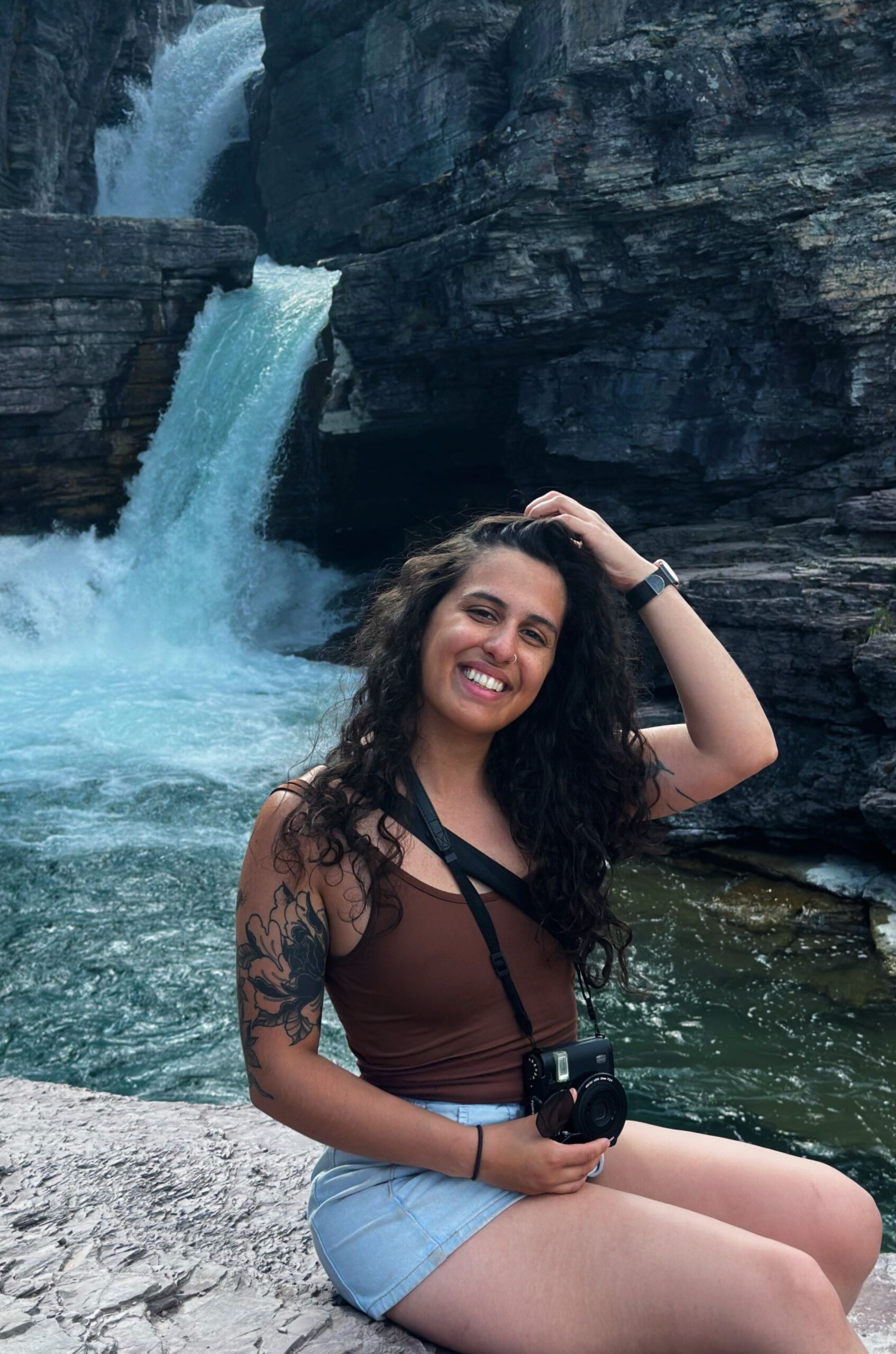
Summer Peltzer
Field of study: MA Archaeology
Advisor: Samantha Fladd
Email: summer.peltzer@wsu.edu
I am a master’s student in Archaeology working with Samantha Fladd. My research is situated within the Ancestral Puebloan culture area of the American Southwest. I graduated with my BA in Anthropology and History from Northern Arizona University in 2021. I have experience working on various Cultural Resource Management (CRM) projects across the region. My interests include ground stone technologies, community engagement, community identity, and landscape archaeology.
Advisor: Samantha Fladd
Email: summer.peltzer@wsu.edu
I am a master’s student in Archaeology working with Samantha Fladd. My research is situated within the Ancestral Puebloan culture area of the American Southwest. I graduated with my BA in Anthropology and History from Northern Arizona University in 2021. I have experience working on various Cultural Resource Management (CRM) projects across the region. My interests include ground stone technologies, community engagement, community identity, and landscape archaeology.
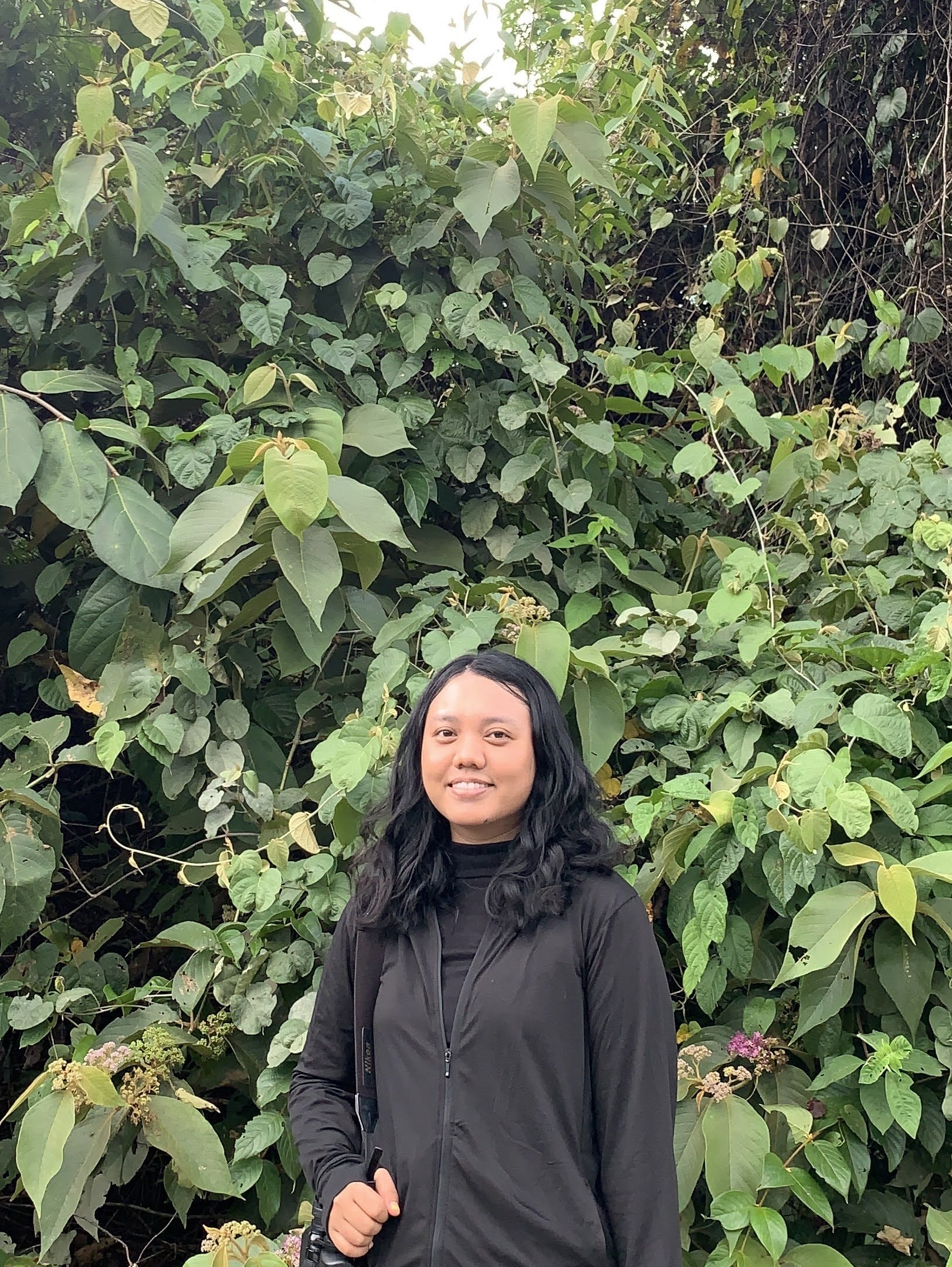
Tungga Putri
Field of study: PhD Evolutionary Anthropology
Advisor: Nanda Grow
Email: t.putri@wsu.edu
I am a PhD student in Evolutionary Anthropology working under the mentorship of Dr. Nanda Grow. I completed my undergraduate degree at Universitas Gadjah Mada, Indonesia, and my master’s degree at Kyoto University, Japan, both in the fields of wildlife and forestry. During my undergraduate research, I studied the feeding ecology, behavior, and nutrition of nocturnal primate i.e., the Javan slow loris. After completing my master’s degree, I returned to primate conservation through my work with several non-government organizations. Currently, I seek to deepen my research and understanding of the ecology and behavior of nocturnal primates, particularly through comparisons among taxa and examining how different species adapt to varying habitat conditions. Beyond primatology, I am also interested in conservation, wildlife management, data analysis and management, and scientific literature.
Advisor: Nanda Grow
Email: t.putri@wsu.edu
I am a PhD student in Evolutionary Anthropology working under the mentorship of Dr. Nanda Grow. I completed my undergraduate degree at Universitas Gadjah Mada, Indonesia, and my master’s degree at Kyoto University, Japan, both in the fields of wildlife and forestry. During my undergraduate research, I studied the feeding ecology, behavior, and nutrition of nocturnal primate i.e., the Javan slow loris. After completing my master’s degree, I returned to primate conservation through my work with several non-government organizations. Currently, I seek to deepen my research and understanding of the ecology and behavior of nocturnal primates, particularly through comparisons among taxa and examining how different species adapt to varying habitat conditions. Beyond primatology, I am also interested in conservation, wildlife management, data analysis and management, and scientific literature.
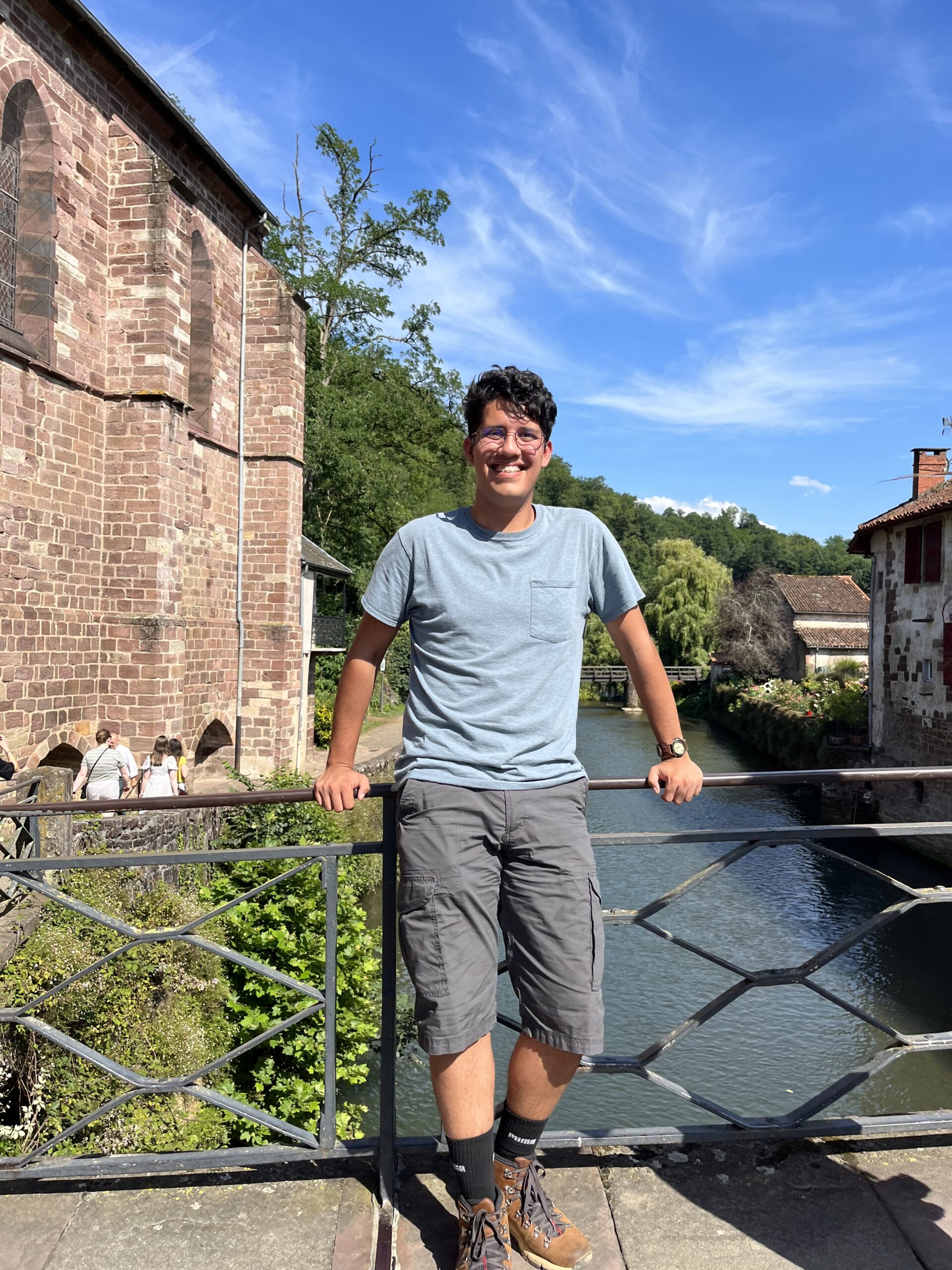
Andrew Ramos
Field of study: MA, Archeology
Advisor: Rachel Horowitz
Email: andrew.v.ramos@wsu.edu
I am a Master’s student working in the Archaeology track with Rachel Horowitz. Before coming to WSU, I attended undergrad at the University of California, Berkeley, where I focused primarily on research regarding the Acheulean. My primary research interest is in lithic technology, with a focus on the Palaeolithic, with an emphasis on Spain, where I will be working on the collection from Carihuela Cave. However, I also have experience with Kebaran and Neolithic technologies. I also maintain a heavy interest in experimental archaeology and am a member of the Cultural Evolution Society (CES). I also have training in osteology and CRM, both of which are fields in which I maintain a standing interest in.
Advisor: Rachel Horowitz
Email: andrew.v.ramos@wsu.edu
I am a Master’s student working in the Archaeology track with Rachel Horowitz. Before coming to WSU, I attended undergrad at the University of California, Berkeley, where I focused primarily on research regarding the Acheulean. My primary research interest is in lithic technology, with a focus on the Palaeolithic, with an emphasis on Spain, where I will be working on the collection from Carihuela Cave. However, I also have experience with Kebaran and Neolithic technologies. I also maintain a heavy interest in experimental archaeology and am a member of the Cultural Evolution Society (CES). I also have training in osteology and CRM, both of which are fields in which I maintain a standing interest in.
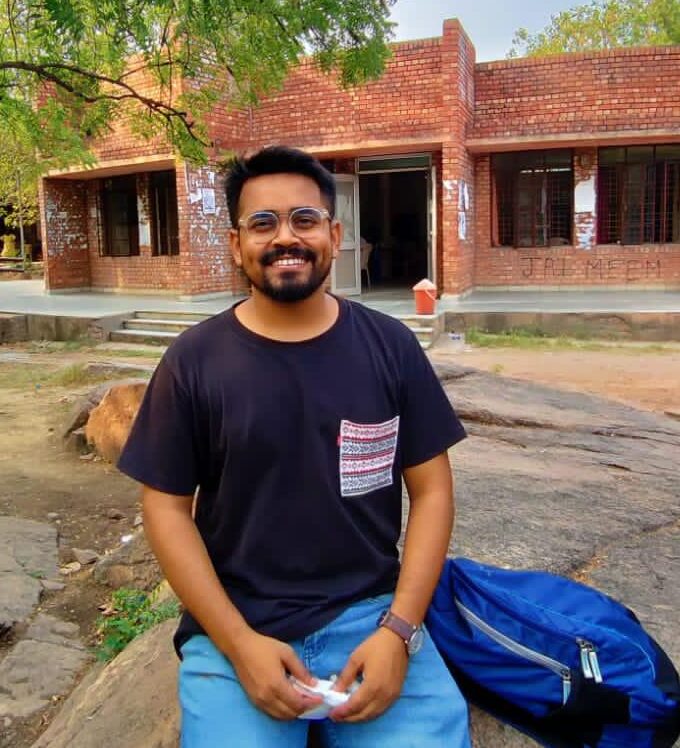
Sumanta Roy
Field of study: PhD, Cultural
Advisor: Clare M. Wilkinson
Email: sumanta.roy@wsu.edu
I am a Doctoral Student interested in the health and livelihoods of electronic waste workers in India, particularly how the intersecting factors of caste, class, gender, and religion shape their daily lives and access to healthcare. I have an interdisciplinary background with a Bachelor’s degree in Geography from Presidency University (erstwhile Presidency College), Kolkata, and a Master’s degree in Development and Labor Studies from the Centre for Informal Sector and Labor Studies (CISLS), Jawaharlal Nehru University (JNU), New Delhi. Additionally, I hold an MPhil in Social Medicine and Community Health from the Centre of Social Medicine and Community Health (CSMCH), JNU, focusing on electronic waste workers in Delhi.
I have a passion for ground-level reporting and am associated with the People’s Archives of Rural India (PARI). Before joining Washington State University (WSU), I worked as a Project Associate at the Global Partnership Network (GPN), University of Kassel, Germany. I am committed to interdisciplinary research and have published articles on health, politics, and policy in reputable Indian English newspapers, such as The Indian Express, Telegraph India, and New Indian Express, as well as leading Bengali newspapers like Ananda Bazar Patrika, Ei Samay. Additionally, my work has appeared on online platforms like Down To Earth, The Wire, Scroll, Quint, Outlook India, as well as with academic publishers like Springer Nature. I enjoy playing table tennis and staying informed about India’s social and political events.
Advisor: Clare M. Wilkinson
Email: sumanta.roy@wsu.edu
I am a Doctoral Student interested in the health and livelihoods of electronic waste workers in India, particularly how the intersecting factors of caste, class, gender, and religion shape their daily lives and access to healthcare. I have an interdisciplinary background with a Bachelor’s degree in Geography from Presidency University (erstwhile Presidency College), Kolkata, and a Master’s degree in Development and Labor Studies from the Centre for Informal Sector and Labor Studies (CISLS), Jawaharlal Nehru University (JNU), New Delhi. Additionally, I hold an MPhil in Social Medicine and Community Health from the Centre of Social Medicine and Community Health (CSMCH), JNU, focusing on electronic waste workers in Delhi.
I have a passion for ground-level reporting and am associated with the People’s Archives of Rural India (PARI). Before joining Washington State University (WSU), I worked as a Project Associate at the Global Partnership Network (GPN), University of Kassel, Germany. I am committed to interdisciplinary research and have published articles on health, politics, and policy in reputable Indian English newspapers, such as The Indian Express, Telegraph India, and New Indian Express, as well as leading Bengali newspapers like Ananda Bazar Patrika, Ei Samay. Additionally, my work has appeared on online platforms like Down To Earth, The Wire, Scroll, Quint, Outlook India, as well as with academic publishers like Springer Nature. I enjoy playing table tennis and staying informed about India’s social and political events.

Jenna Schmidt
Field of study: PhD, Cultural Anthropology
Advisor: Courtney Meehan
Email: jenna.schmidt@wsu.edu
I am a cultural anthropology student working with Courtney Meehan in the Biocultural anthropology lab. I am interested in the microbiome of human breast milk, with a specific interest in how the body metabolizes cannabis through breast milk. I obtained my bachelor’s degree from Washington State University in Human Biology. As an undergraduate student I conducted research describing women’s decision-making process and the factors they considered for using cannabis while breastfeeding and assessed whether more breastfeeding women used cannabis for medical or recreational purposes. I was a research assistant to 4 different research projects at the university. For my thesis I plan to continue investigating how the body metabolizes cannabis.
Advisor: Courtney Meehan
Email: jenna.schmidt@wsu.edu
I am a cultural anthropology student working with Courtney Meehan in the Biocultural anthropology lab. I am interested in the microbiome of human breast milk, with a specific interest in how the body metabolizes cannabis through breast milk. I obtained my bachelor’s degree from Washington State University in Human Biology. As an undergraduate student I conducted research describing women’s decision-making process and the factors they considered for using cannabis while breastfeeding and assessed whether more breastfeeding women used cannabis for medical or recreational purposes. I was a research assistant to 4 different research projects at the university. For my thesis I plan to continue investigating how the body metabolizes cannabis.
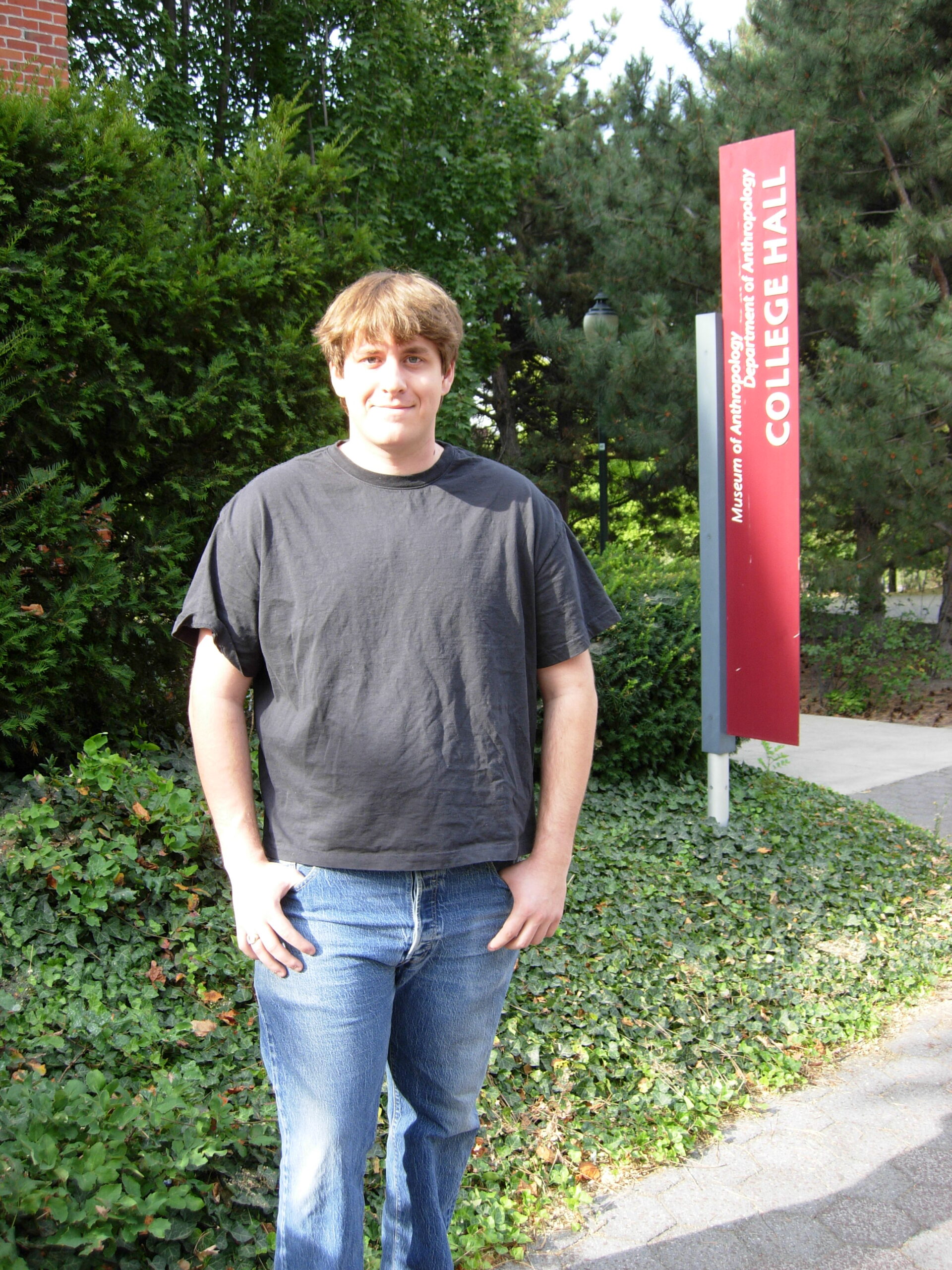
Noah Smelser
Field of study: MA, Archaeology
Advisor: Andrew Duff
Email: noah.smelser@wsu.edu
I am a MA student in archaeology working with Andrew Duff. My work is currently focused on the American Southwest, primarily concerning material analysis and trade distribution of obsidian and ceramic materials. I graduated with my BA in Anthropology from the University of Missouri Columbia in 2026. As an undergraduate student, my research led to the development of a predictive model for obsidian assemblages of archaeological sites in the Greater American Southwest, employing samples provenanced with both Neutron Activation Analysis and a portable X-Ray Fluorescence Device. My research interests range broadly and include lithic and ceramic analysis, analysis, isotopic analysis, social dynamics, and data analytics.
Advisor: Andrew Duff
Email: noah.smelser@wsu.edu
I am a MA student in archaeology working with Andrew Duff. My work is currently focused on the American Southwest, primarily concerning material analysis and trade distribution of obsidian and ceramic materials. I graduated with my BA in Anthropology from the University of Missouri Columbia in 2026. As an undergraduate student, my research led to the development of a predictive model for obsidian assemblages of archaeological sites in the Greater American Southwest, employing samples provenanced with both Neutron Activation Analysis and a portable X-Ray Fluorescence Device. My research interests range broadly and include lithic and ceramic analysis, analysis, isotopic analysis, social dynamics, and data analytics.

Rachel Smith
Field of study: PhD, Archaeology
Advisor: Erin Thornton
Email: rachel.smith6@wsu.edu
I am a PhD student in archaeology working with Erin Thorton. My research interests include stable isotope analysis, bioarchaeology, and the ancient Maya. Before coming to WSU, I worked for two years for a cultural resource management firm on projects throughout the southeast. My master’s thesis used strontium, carbon, and oxygen isotopes to determine if individuals found at the Maya sites of San Juan and Chac Balam on Ambergris Caye were potential migrants to the region. My project provided baseline data in a part of the Maya region where limited data existed that could be used for future isotopic research. My dissertation uses stable isotopes of human and faunal remains from Oaxaca. This work will contribute by generating a baseline that can be used for future research and to help distinguish dietary differences between highland and lowland diets.
Advisor: Erin Thornton
Email: rachel.smith6@wsu.edu
I am a PhD student in archaeology working with Erin Thorton. My research interests include stable isotope analysis, bioarchaeology, and the ancient Maya. Before coming to WSU, I worked for two years for a cultural resource management firm on projects throughout the southeast. My master’s thesis used strontium, carbon, and oxygen isotopes to determine if individuals found at the Maya sites of San Juan and Chac Balam on Ambergris Caye were potential migrants to the region. My project provided baseline data in a part of the Maya region where limited data existed that could be used for future isotopic research. My dissertation uses stable isotopes of human and faunal remains from Oaxaca. This work will contribute by generating a baseline that can be used for future research and to help distinguish dietary differences between highland and lowland diets.

Jordan Thompson
Field of study: PhD, Archeology
Advisor: Rachel Horowitz
Email: jordan.j.thompson@wsu.edu
I am a PhD student working with Rachel Horowitz and John Blong. My primary research interests include lithic technology, geochemical analysis, geoarchaeology, zooarchaeology, and human-environment ecodynamics, with a regional focus in the Pacific Northwest and Columbia Plateau.
I received my bachelor’s degree in anthropology with a minor in geology at Portland State University in 2016 and my master’s degree in anthropology at the University of Idaho in 2022. My master’s thesis utilized a combination of pXRF analysis, lithic analysis, and experimentation to provide an overview of vitrophyre, a form of volcanic glass, stone tools and their uses in the Clearwater River region of north central Idaho through an ecological foraging model. My dissertation research will use geoarchaeological approaches, among others, to investigate the traditional land use of the North Fork of the Clearwater River with an emphasis on fishing and hunting practices.
Advisor: Rachel Horowitz
Email: jordan.j.thompson@wsu.edu
I am a PhD student working with Rachel Horowitz and John Blong. My primary research interests include lithic technology, geochemical analysis, geoarchaeology, zooarchaeology, and human-environment ecodynamics, with a regional focus in the Pacific Northwest and Columbia Plateau.
I received my bachelor’s degree in anthropology with a minor in geology at Portland State University in 2016 and my master’s degree in anthropology at the University of Idaho in 2022. My master’s thesis utilized a combination of pXRF analysis, lithic analysis, and experimentation to provide an overview of vitrophyre, a form of volcanic glass, stone tools and their uses in the Clearwater River region of north central Idaho through an ecological foraging model. My dissertation research will use geoarchaeological approaches, among others, to investigate the traditional land use of the North Fork of the Clearwater River with an emphasis on fishing and hunting practices.
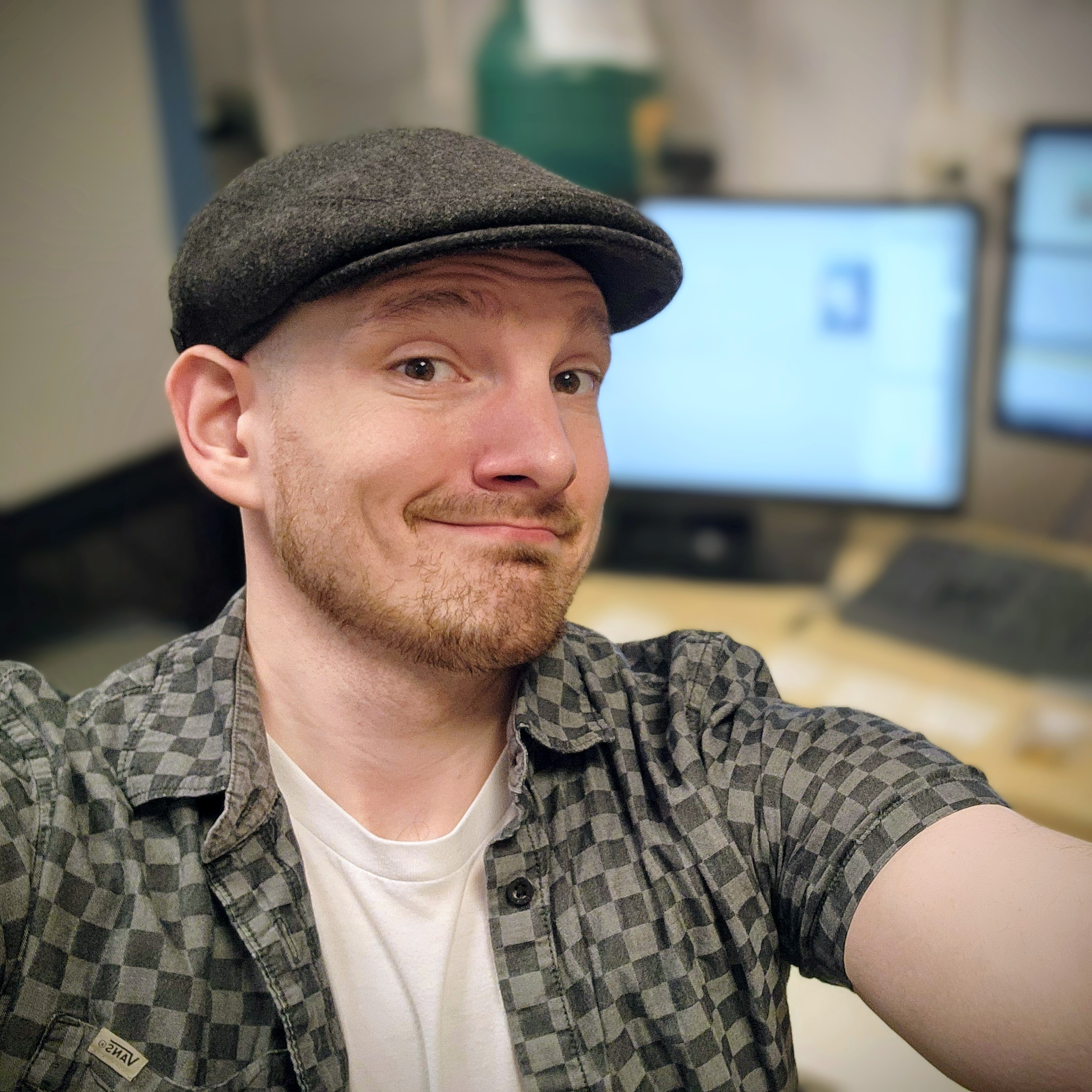
Alex Tidwell
Field of study: MA, Archeology
Advisor: Rachel Horowitz
Email: alexander.tidwell@wsu.edu
Hello! I am an eager MA student of anthropology under the mentorship of archaeologist Dr. Rachel Horowitz. At Washington State University (WSU), I am employing geochemical methods to explore lithic provenance research centered around highly ubiquitous—yet challenging to source—chert toolstone to better understand the trade and travel dynamics of early populations in North America.
I completed my undergraduate research at the University of Oregon in 2026 where I employed Laser Ablation – Inductively Coupled Plasma – Mass Spectrometry (LA-ICP-MS) to chemically characterize geologic chert sources in the Deschutes Basin of north-central Oregon under the mentorship of Drs. Katelyn McDonough and Alison Carter. With Horowitz’s guidance and expertise in lithics, I aim to improve and expand several aspects of this research here at WSU.
My archaeological background has been largely shaped by late Pleistocene archaeology in the northern Great Basin, including participation in field schools at Rimrock Draw Rockshelter and Connley Caves. However, I also maintain keen interests in geoarchaeology, the application of GIS, public education, and topics related to the initial peopling of the Americas as well as archaeological studies in precontact Latin America.
Advisor: Rachel Horowitz
Email: alexander.tidwell@wsu.edu
Hello! I am an eager MA student of anthropology under the mentorship of archaeologist Dr. Rachel Horowitz. At Washington State University (WSU), I am employing geochemical methods to explore lithic provenance research centered around highly ubiquitous—yet challenging to source—chert toolstone to better understand the trade and travel dynamics of early populations in North America.
I completed my undergraduate research at the University of Oregon in 2026 where I employed Laser Ablation – Inductively Coupled Plasma – Mass Spectrometry (LA-ICP-MS) to chemically characterize geologic chert sources in the Deschutes Basin of north-central Oregon under the mentorship of Drs. Katelyn McDonough and Alison Carter. With Horowitz’s guidance and expertise in lithics, I aim to improve and expand several aspects of this research here at WSU.
My archaeological background has been largely shaped by late Pleistocene archaeology in the northern Great Basin, including participation in field schools at Rimrock Draw Rockshelter and Connley Caves. However, I also maintain keen interests in geoarchaeology, the application of GIS, public education, and topics related to the initial peopling of the Americas as well as archaeological studies in precontact Latin America.

RC Timilsina
Field of study: PhD, Cultural
Advisor: Rob Quinlan
Email: raja.timilsina@wsu.edu
I am doctoral student in Cultural Anthropology working with Robert J. Quinlan. With a passion for qualitative research. Research interests are wide-ranging and include Multiculturalism, Migration and Transnationalism, Kinship, Environment, Disaster, Ecology, Race and Racism, and Local and Traditional Knowledge. As a qualitative researcher, I employ various methods such as ethnographic research, participant observation, in-depth interviews, and content analysis to explore these subjects’ complexities thoroughly. My dedication to understanding the intricacies of culture and society.
Advisor: Rob Quinlan
Email: raja.timilsina@wsu.edu
I am doctoral student in Cultural Anthropology working with Robert J. Quinlan. With a passion for qualitative research. Research interests are wide-ranging and include Multiculturalism, Migration and Transnationalism, Kinship, Environment, Disaster, Ecology, Race and Racism, and Local and Traditional Knowledge. As a qualitative researcher, I employ various methods such as ethnographic research, participant observation, in-depth interviews, and content analysis to explore these subjects’ complexities thoroughly. My dedication to understanding the intricacies of culture and society.
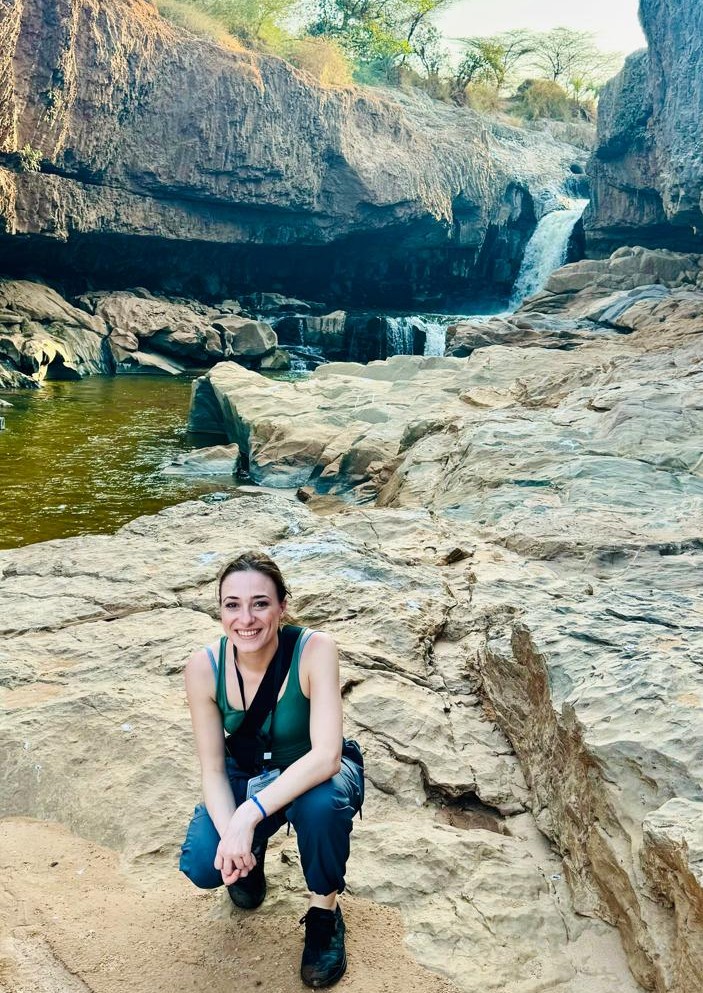
Eleonora Zanetti
Field of study: PhD Candidate, Evolutionary / Cultural
Advisor: Rob Quinlan
Email: eleonora.zanetti@wsu.edu
I am a PhD candidate in Evolutionary and Cultural Anthropology at Washington State University, studying how pastoralist communities navigate uncertainty, knowledge transmission, and social cohesion under climate change and conflict. I am currently conducting fieldwork in Northern Kenya until December 2026. My dissertation examines how people adaptively use social ties—through networks of information sharing, cooperation, and trust—to manage uncertainty and utilize resources in non-equilibrium ecologies under political and climatic stress, while transitioning from nomadic to sedentary life. I explore what practices are new, what is rooted in tradition, what is adaptive, and what is constrained by social power in subsistence societies with varying degrees of tightness and looseness. This includes practices such as new approaches to resource governance, information sharing for different crises, movements of small versus large groups, mobilization in conflict, and traditional cultural roles sustaining cooperation, authority, and Indigenous knowledge in early warning systems. I also investigate how tribal traditions of collective governance interact with national politics, thorough patronage, clientelism, and humanitarian interventions, revealing how climate uncertainty and conflict are framed and instrumentalized from the top.
I integrate ethnography and computational modeling through collaborations with complexity scientists to analyze grounded behavioral data within the lens of uncertainty produced by complex adaptive systems. My interdisciplinary background spans psychology, women’s studies, history, primatology, and anthropology, with expertise in participatory research, ethnographic fieldwork, and translating behavioral data into agent-based and epidemiological models. I am a fellow at the Zeit Stiftung Bucerius Institute, where I explore creative yet systematic approaches to studying uncertainty across disciplines.
Advisor: Rob Quinlan
Email: eleonora.zanetti@wsu.edu
I am a PhD candidate in Evolutionary and Cultural Anthropology at Washington State University, studying how pastoralist communities navigate uncertainty, knowledge transmission, and social cohesion under climate change and conflict. I am currently conducting fieldwork in Northern Kenya until December 2026. My dissertation examines how people adaptively use social ties—through networks of information sharing, cooperation, and trust—to manage uncertainty and utilize resources in non-equilibrium ecologies under political and climatic stress, while transitioning from nomadic to sedentary life. I explore what practices are new, what is rooted in tradition, what is adaptive, and what is constrained by social power in subsistence societies with varying degrees of tightness and looseness. This includes practices such as new approaches to resource governance, information sharing for different crises, movements of small versus large groups, mobilization in conflict, and traditional cultural roles sustaining cooperation, authority, and Indigenous knowledge in early warning systems. I also investigate how tribal traditions of collective governance interact with national politics, thorough patronage, clientelism, and humanitarian interventions, revealing how climate uncertainty and conflict are framed and instrumentalized from the top.
I integrate ethnography and computational modeling through collaborations with complexity scientists to analyze grounded behavioral data within the lens of uncertainty produced by complex adaptive systems. My interdisciplinary background spans psychology, women’s studies, history, primatology, and anthropology, with expertise in participatory research, ethnographic fieldwork, and translating behavioral data into agent-based and epidemiological models. I am a fellow at the Zeit Stiftung Bucerius Institute, where I explore creative yet systematic approaches to studying uncertainty across disciplines.